Plant Bio
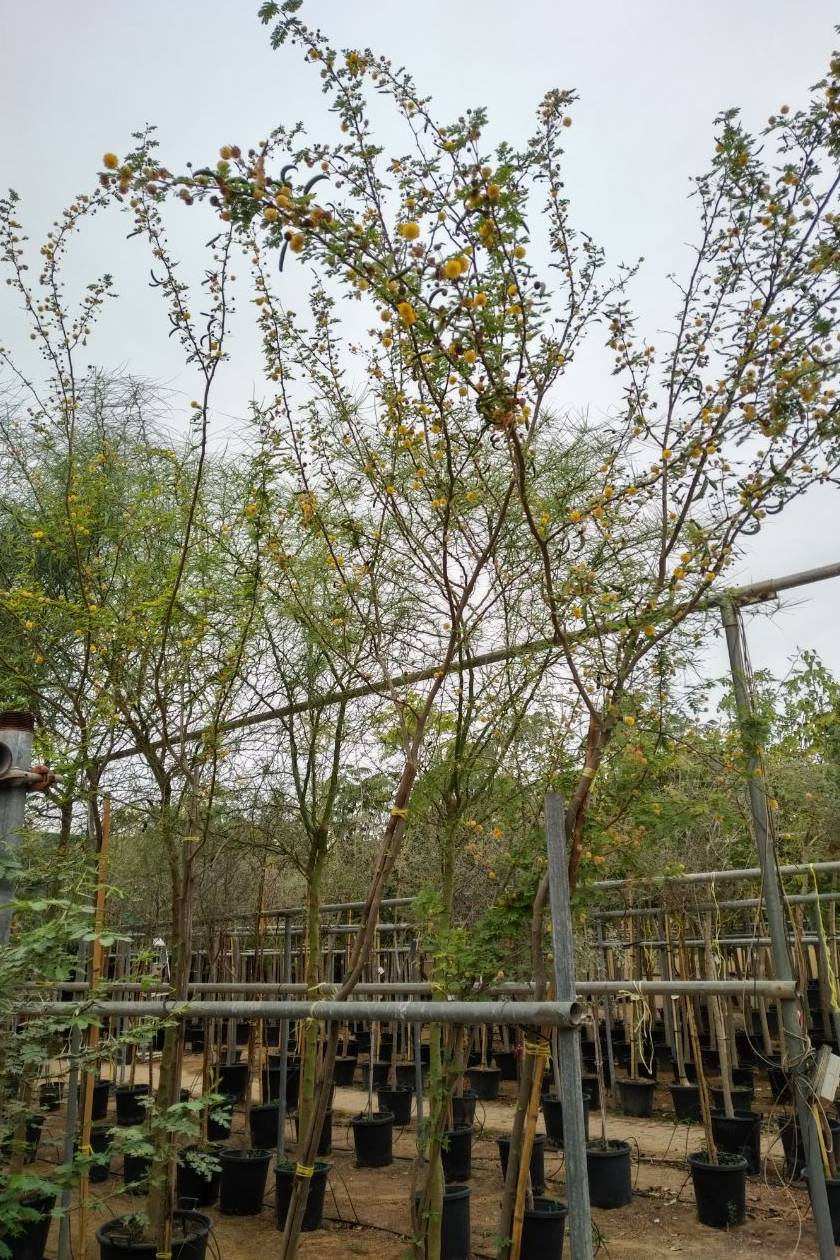
Acacia arabica, commonly known as Babul or Indian gum arabic tree, is a deciduous tree native to the Indian subcontinent and other parts of Asia. It belongs to the Fabaceae family. Here’s a description and care guide for Acacia arabica:
Description:
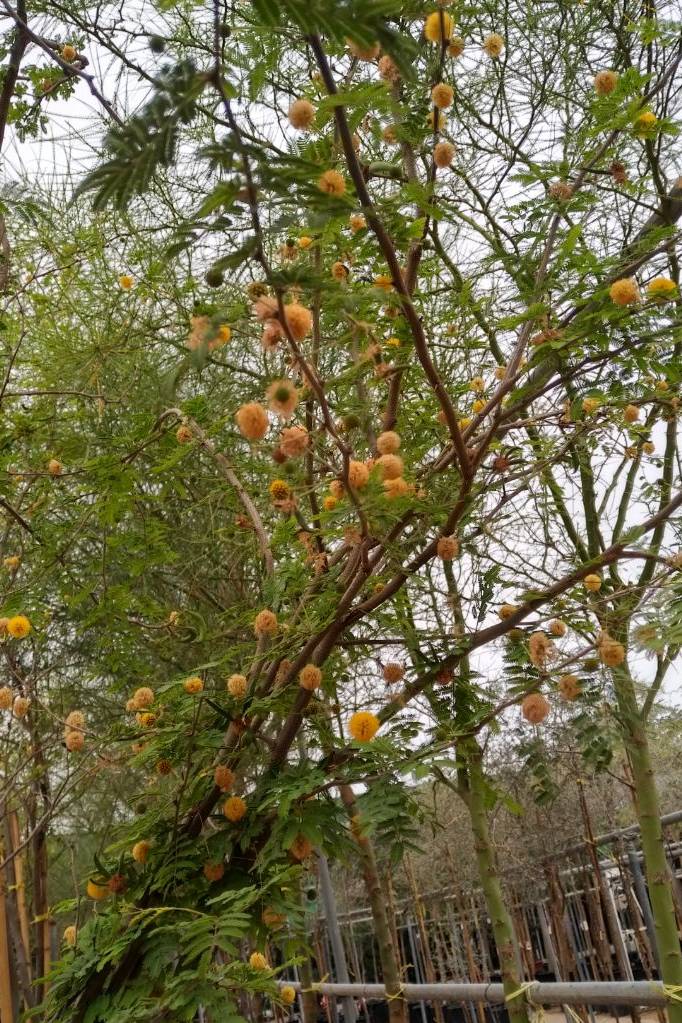
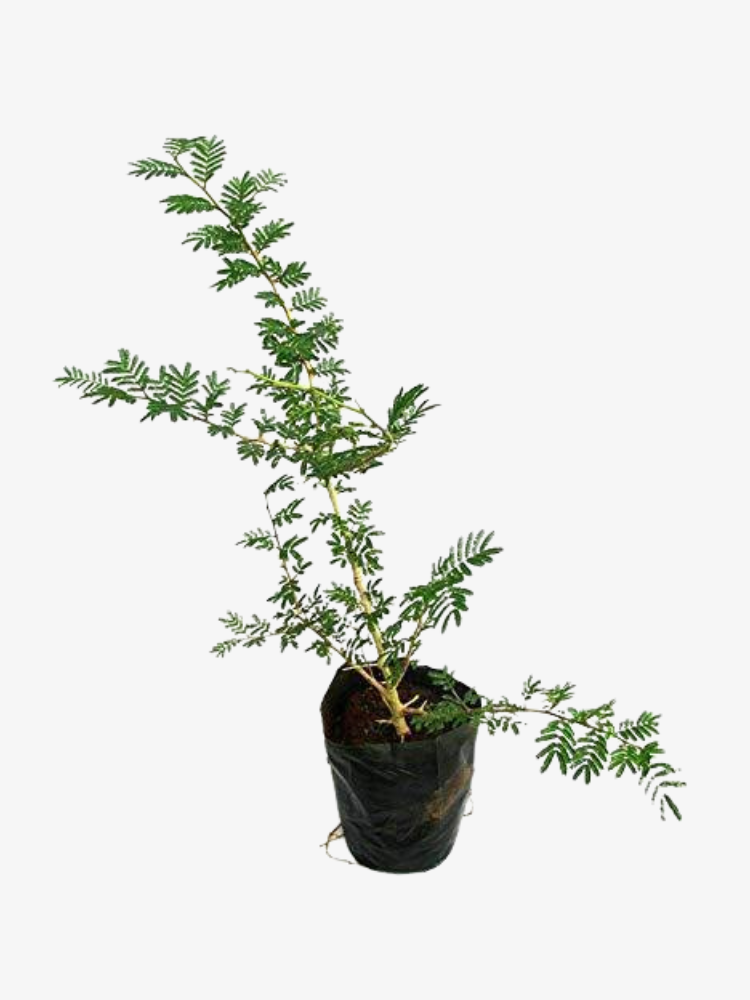
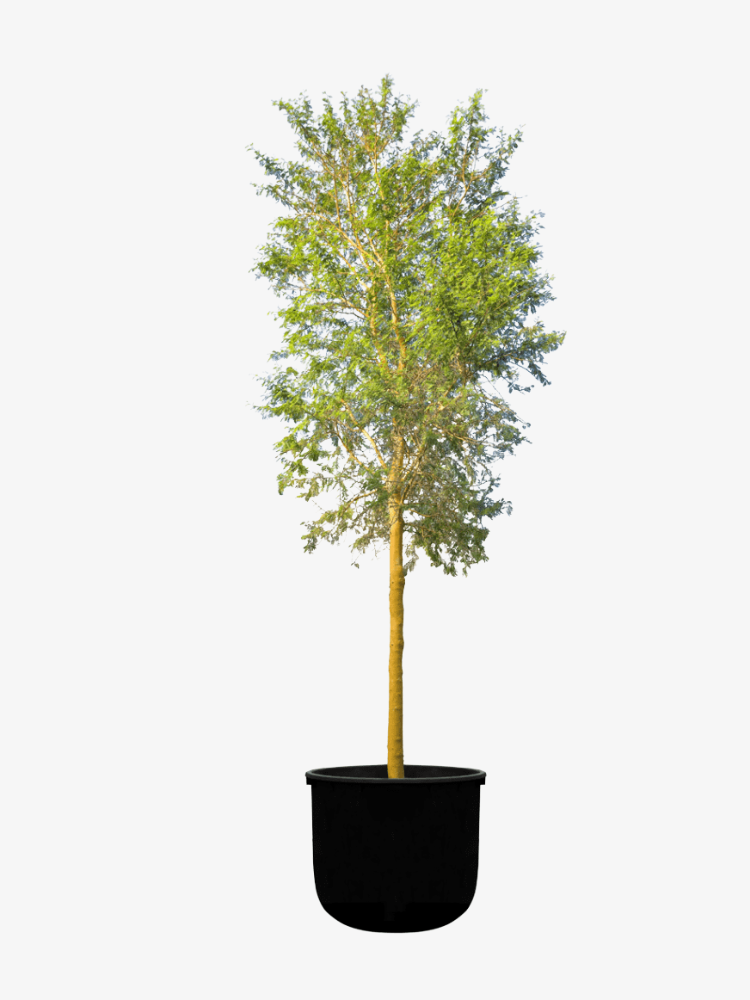
Foliage: The leaves of Acacia arabica are bipinnate, with small leaflets arranged in pairs along the branches. The foliage is typically green and provides a feathery appearance.
Flowers: The tree produces pale yellow, fragrant flowers in spherical clusters. The flowering period usually occurs in the spring.
Fruit: The fruit is a pod that is flat and slightly curved, containing seeds. The pods mature to a dark brown color.
Bark: The bark of the tree is dark brown to gray, with a rough and fissured texture.
Size: Acacia arabica can reach a height of 20 to 30 feet (6 to 9 meters) with a similar spread.
Care Guide:
Light: Acacia arabica thrives in full sun. Plant it in a location where it can receive ample sunlight throughout the day.
Temperature: The tree is well-adapted to warm climates and is suitable for USDA hardiness zones 10-11. It can tolerate high temperatures and is relatively resistant to drought.
Watering: While Acacia arabica is drought-tolerant once established, regular watering is beneficial, especially during dry periods. Ensure the soil is well-draining to prevent waterlogging.
Soil: Plant in well-draining soil with a slightly acidic to neutral pH. The tree can tolerate a variety of soil types, including sandy or loamy soils.
Fertilization: Acacia arabica generally doesn’t require heavy fertilization. However, a balanced, slow-release fertilizer applied in the growing season can support healthy growth.


_flowers_at_hodal_w_img_1163.jpg)